Mini-Farm Insurance
Mini-farm insurance is geared toward small or part-time farming operations. Even if farming is not your primary source of income, it’s still essential to protect your assets. Since no two farms are identical, our small farm insurance policies offer unparalleled flexibility. Whether you want a basic policy, comprehensive plan or something in between, Colby Insurance Group has you covered.
Why You Should Consider Small Farm Insurance
Small scale farming comes with risks. Weather, accidents, and equipment failures can lead to unexpected costs. Without mini farm insurance in New Hampshire or Vermont, you may have to cover these expenses yourself.
Even part-time farm insurance for those who farm on a small scale or hobby farms can help. Here are some common risks and why you should be prepared with small farm insurance in Vermont and New Hampshire:
Property Damage
Storms, fires, and vandalism can damage barns, sheds, and fencing. Repairing or replacing these structures can be expensive. Small farm insurance helps cover these costs, so you don’t have to pay out of pocket.
Liability Risks
If a visitor, delivery person, or customer gets injured on your farm, you could be held responsible. A lawsuit or medical expenses can be costly. Small farm insurance and other policies provide liability coverage to protect you even if you have a personal farm or farm part-time.
Equipment Breakdown and Malfunction
Tractors, tillers, and irrigation systems are essential for farm work. If they break down, repairs can be costly, and farm operations may stop. Insurance can help cover repair or replacement costs.
Livestock Loss and Crop Damage
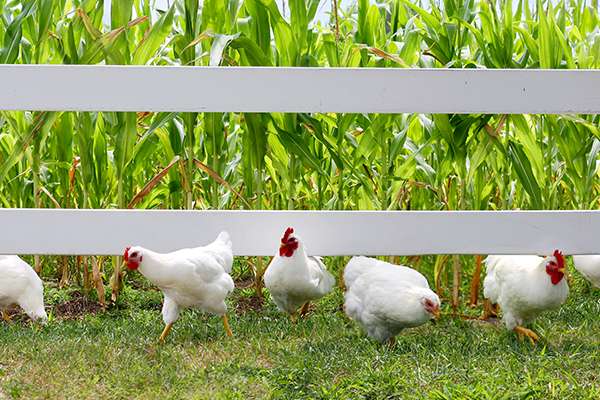
If you raise animals, they can get sick, injured, or lost due to predators. Droughts, floods, and pests can ruin crops. If you sell produce, lost income can be a major setback. Some policies cover crop losses to help farmers recover.
Understand What Mini-Farm Insurance Policies Include:
Basic Mini-Farm Insurance: Our lowest-priced option, this plan covers the residence and personal property against a limited number of perils.
Broad Form Insurance: A step up from our basic policy, this plan covers more perils that may adversely affect your home and assets.
Special Form Insurance: This is our most comprehensive program. It covers your home and related private structures against direct physical loss.
Renters Farm Insurance: If you lease your farming property, this may be the plan for you.
Personal Liability Farm Insurance: This plan will protect you against claims arising from your property and activities conducted on it. Basic limits are $100,000, which covers medical payments to non-insured parties. Higher limits and umbrella liability options are available.
Livestock Insurance: If you rely on your livestock to make a living, then protecting your investment is imperative.
Farming Equipment Insurance: If you’ve already invested in farming equipment, you already know how expensive replacing or repairing it would be. Equipment insurance can save you lots of money and headaches down the line.
Should I Get Insurance for a Personal Farm?
You should always consult with an insurance advisor before you decide. However, insurance for a personal farm in New Hampshire and Vermont can be beneficial to protect against the risks mentioned above.
What Is the Cost of Small Farm Insurance?
The cost of small farm insurance depends on:
- Farm type
- Farm size
- Types of crops and/or livestock
- Property value
- Location
To get the most accurate quote for small farm insurance in New Hampshire or Vermont, contact a local insurance agent.
To consult with an insurance advisor about your Mini-Farm, call 800-392-6532 or email insure@colby-group.com.
This article is for informational purposes only. Insurance needs and coverages vary; therefore, the terms of your policy will be specific to your situation. We recommend that you discuss your insurance needs with a licensed agent for details on pricing, coverages, and exclusions.