
TL;DR: Choosing commercial auto insurance coverage involves more than meeting legal requirements—it also means understanding how different coverage options, policy limits, and business risks may apply to your operations. This guide explains key factors to consider when evaluating coverage so you can make informed decisions based on your business’s unique needs.
- Learn how your vehicles, drivers, and day-to-day operations can influence your commercial auto insurance coverage needs.
- Understand commercial insurance requirements, including how state and federal regulations may affect your business.
- Explore what commercial auto insurance covers, including liability, collision, comprehensive, cargo, and optional coverages.
- Find out how commercial auto insurance policy limits work and why they are an important part of reviewing a policy.
- Discover practical tips for comparing insurance providers and evaluating policy features that align with your business operations.
Choosing commercial auto insurance coverage for your business vehicles shouldn’t feel overwhelming. Businesses often need to balance commercial insurance requirements, budgets, and risk management while determining which coverage options make sense for their operations.
Whether you’re a one-vehicle operation or manage a fleet, these steps will help you choose the best commercial car insurance.
1. Understand Your Business Needs
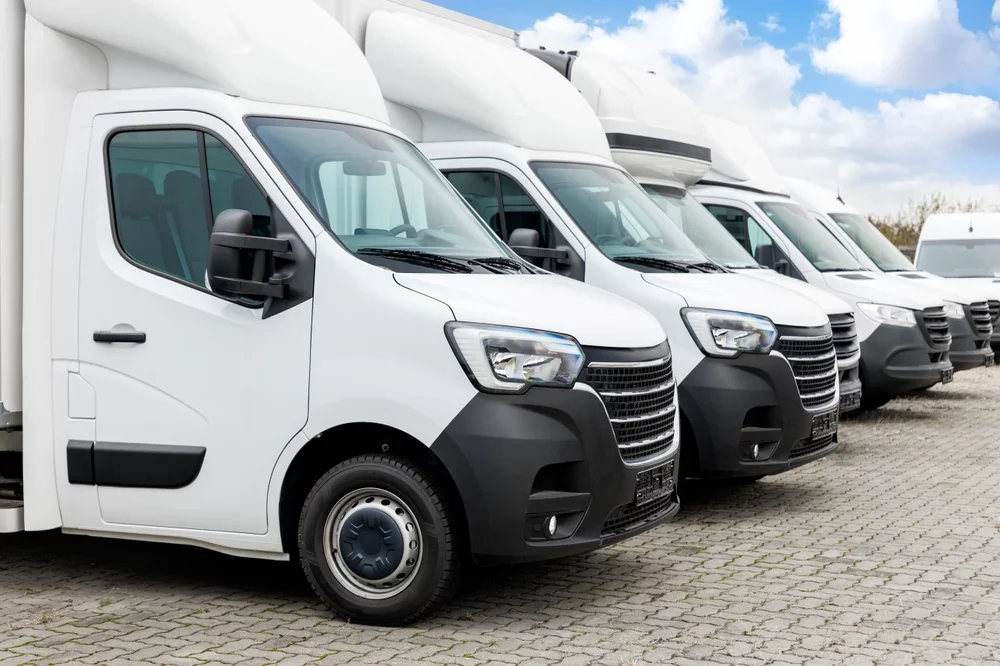
Before exploring options for car insurance for commercial vehicles, assess your business operations’ specific needs and risks. Consider the type of vehicle you use. Different vehicles, such as delivery vans, trucks, or special-purpose vehicles, have different risks.
Transporting hazardous materials and valuable goods or providing services that include high-risk activities can influence your insurance requirements.
Operating in urban areas with high traffic or remote regions prone to adverse conditions can affect your risk profile. The frequency and duration of vehicle use also play a role in determining your insurance needs.
It can also be helpful in identifying:
- Who will be driving your vehicles
- How often they’re used
- Whether employees transport equipment or customers
- Whether vehicles cross state lines
These factors may influence the types of commercial auto insurance coverage available for your business and the policy features you may wish to discuss with your insurance professional.
2. Know the Legal Requirements
Legal requirements for commercial vehicle insurance can vary significantly between states. Business owners must be aware of their state’s specific regulations for compliance. Thoroughly review the minimum liability coverage mandated by law in your area.
Failing to meet requirements can result in fines and legal consequences. Carrying coverage that doesn’t align with your business operations could leave your business responsible for costs that exceed your policy’s coverage.
Additionally, some regions impose additional requirements beyond the basic liability coverage. For instance, some areas may require uninsured motorist coverage or specialized policies for certain types of cargo.
Overlooking these supplementary requirements can expose your company to unnecessary risks and potential legal issues.
Commercial insurance requirements may also vary based on vehicle type, business operations, or whether your vehicles operate across state lines. Most states require businesses that own vehicles to carry a minimum amount of commercial auto liability insurance, though available coverage options and policy limits can differ. An insurance professional can help explain your state’s requirements and available coverage options.
It’s also important to understand commercial auto insurance policy limits. Policy limits represent the maximum amount an insurance company may pay for covered claims, subject to the terms of the policy. When reviewing coverage, consider both liability limits and any deductibles that apply to physical damage coverage.
3. Understand What Your Policy will Specify

Every commercial auto insurance policy outlines who and what is covered, as well as policy limits, exclusions, and coverage details. While coverage varies by insurer and policy, reviewing these details carefully can help you understand how your policy applies to your business vehicles.
Your commercial auto insurance policy will include coverage specifics for the following:
- Each covered vehicle.
- The liability coverage and physical damage for each vehicle.
- The policy limits for claims paid.
- Business use definitions to explain how the vehicles will be used in business operations.
- Who will be named as insureds covered by the policy.
- A list of coverage types.
Your policy may also include information about:
- Coverage drivers and any driver eligibility requirements
- Policy deductibles
- Coverage exclusions or situations not covered
- Optional endorsements that provide additional commercial auto coverage
- Claims reporting procedures and policy conditions
4. Evaluate Different Types of Coverage
If you’re wondering what does commercial auto insurance cover, the answer depends on the purchased policy. Commercial vehicle insurance includes various commercial vehicle insurance coverage, each serving a specific purpose.
- Commercial auto liability insurance: Covers damages to third parties caused by your vehicle, including bodily injuries and property damage.
- Collision coverage: Helps repair or replace your vehicle if it’s damaged in an accident.
- Comprehensive coverage: Covers damage to your vehicle from non-collision incidents such as theft, vandalism, or natural disasters.
- Cargo insurance: Protects businesses that transport goods against damages to cargo during transit.
- Uninsured or underinsured motorist coverage: Protects you if another driver is at fault in an accident and doesn’t have enough insurance.
5. Compare Different Providers
Choosing the right insurer is just as important as selecting the appropriate commercial auto insurance coverage.
Research the company’s reputation and financial health to better understand its ability to handle claims.
Get to know how claims are handled by the insurer. A clear and efficient claims process may help reduce business interruptions.
When comparing insurance providers, consider:
- Financial strength ratings
- Experience servicing businesses similar to yours
- Available commercial auto coverage options
- Claims service process
- Access to local agents
- Customer service and policy support
6. Consider Additional Features
Additional features may be relevant depending on the type of vehicles you operate. For example, a fleet of sedans for sales reps will vary from the coverage needs for a fleet of cargo trucks. Truck insurance for fleets hauling goods and materials over long distances have unique risks that should be considered.
- Look for business insurance for vehicles that offer flexibility and additional features that enhance your coverage.
- Work with an agent that can be tailored to fit your specific business needs.
- Many insurance companies offer discounts for safe driving records, telematics devices, or multiple policies.
- Features like roadside assistance, legal defense, and coverage for rental vehicles or downtime can also be beneficial.
Some insurers also offer optional endorsements designed for specific industries or vehicle types. Depending on your business operations, these endorsements may provide additional commercial auto coverage for permanently attached equipment, specialized tools, or other business-related risks.
Protect Your Business
Our local agents can help explain available commercial auto insurance coverage options and answer questions about commercial auto liability insurance, policy limits, and available coverage features. Together, you can review options that align with your business operations, applicable requirements, and budget.
Learn more about our commercial auto coverage policies today.
This content is for informational purposes only and not for the purpose of providing professional, financial, medical, or legal advice. You should contact your licensed professional to obtain advice with respect to any particular issue or problem.