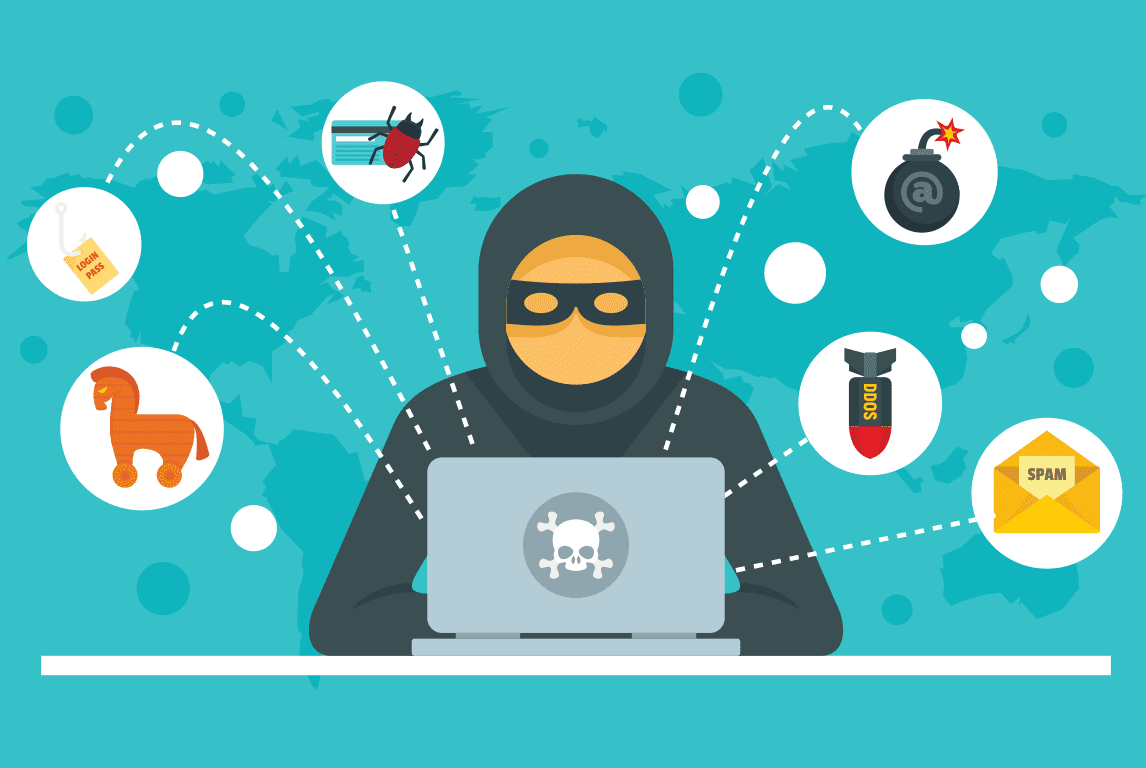
Cybersecurity breaches at small businesses are on the rise
We frequently see stories online and in the news about major corporations being hit by security breaches, potentially exposing the personal data of millions. While legal cases and settlements are growing larger and larger against the companies that are breached, many small businesses think that this isn’t an issue they need to worry about. Perhaps they feel that their operation is too small to get the attention of malicious actors or that the stakes are lower since they have less data to expose. However, the statistics paint a different picture.
- Last year, 21% of all small businesses reported some form of a data breach. This is up from 17% the year before
- 30% of all small business customers said they would not shop at a small business with a history of data breaches
- In 2017, 70% of all cyberattacks targeted small businesses
- Unlike major corporations, small businesses lack the funds to deal with prolonged legal action or massive fines
7 reasons why small businesses need cyber liability protection
Keeping these statistics in mind, it’s easy to see that small businesses are likely cybersecurity targets. An essential tool for protection is a cyber liability protection policy. Let’s take a closer look at why.
- Cover the cost of repair to hardware/software. Depending on the nature of the cyberattack, you may have essential hardware/software that either needs to be replaced due to the breach or actual damage to equipment sustained in the attack. Replacements and repairs can be expensive, and in some cases, you may incur additional rush charges on services and equipment to get your business up and running again. First-party cyber liability insurance can help cover these expenses.
- Coverage for lost income. One of the first things that many companies do after a data breach is halt operations. This gives them time to figure out what the root source of the breach is, put together a solution to stop the breach, as well as report it to regulatory authorities. This all means lost income, and a policy can help you recoup some of that. Some policies will also help cover breach of contract fees, in case you are unable to fulfill a client project due to the breach.
- Regulatory fees. Data breach fines are at an all-time high, and it may be this that ends up wiping out your business as opposed to the actual breach itself. Cyber liability policies will help you pay fines that you may be responsible for after a breach.
- Extortion protection. Sometimes, malicious actors make extortion demand in order to release the data that has been breached. A policy can help cover any losses incurred in this way, as well as professional expenses required to address the crime.
- Marketing/PR response expenses. After a data breach, it can be a long road back to gain the confidence of your customers and community after a breach. This requires reestablishing trust through additional customer communications and marketing to convince them that the breach has been addressed and your company has learned from the mistake. This is where coverage is essential.
- Risk mitigation services. Note that this isn’t something that every policy will have, but bears mentioning. After a data breach, one of the top priorities for a company is figuring out what they can do to make sure this doesn’t happen again. Risk mitigation services can be an essential tool here. The insurance provider will send a professional to an appraiser to identify potential risks in your software, hardware, and practices. You can use this service to lower the chance of another breach.
- Media liability claims. With a consumer public that’s demanding more transparency from the companies they use, the media is likely to publish and promote data breach stories. However, sometimes, the truth can get twisted in a way that misrepresents your company. If you need to go to court for things like libel, slander, or defamation, second-party liability insurance can help with legal fees.
Cyber liability protection is an essential tool that helps protect small businesses
As the stakes for a security breach or cyber attack increase, it’s important for customer confidence and the bottom line that you have some form of coverage.
Trying to determine the best fit for you?
It’s important to be proactive when establishing ways to protect your business and your livelihood from cyber attacks and security breaches. Working with experienced insurance professionals can help you find the best solution for your business.
Call Colby Insurance Group to speak with an insurance specialist at 800‐392‐6532.
This article is for informational purposes only. Insurance needs and coverages vary, therefore the terms of your policy will be specific to your situation. We recommend that you discuss your insurance needs with a licensed agent for details on pricing, coverages, and exclusions.
To consult with a business insurance advisor call 800-392-6532 or email insure@colby-group.com